General News

Royal Lodge Repair Debt: King Uses Private Funds to Cover Costs

King Charles has reportedly used his own private income to settle a £1.5m debt owed to the Crown Estate following the end of Andrew Mountbatten-Windsor's lease. The payment was made to cover repair and dilapidation costs after the former prince surrendered his tenancy at the Windsor mansion. This development follows a legal settlement regarding compensation for the early termination of the lease.

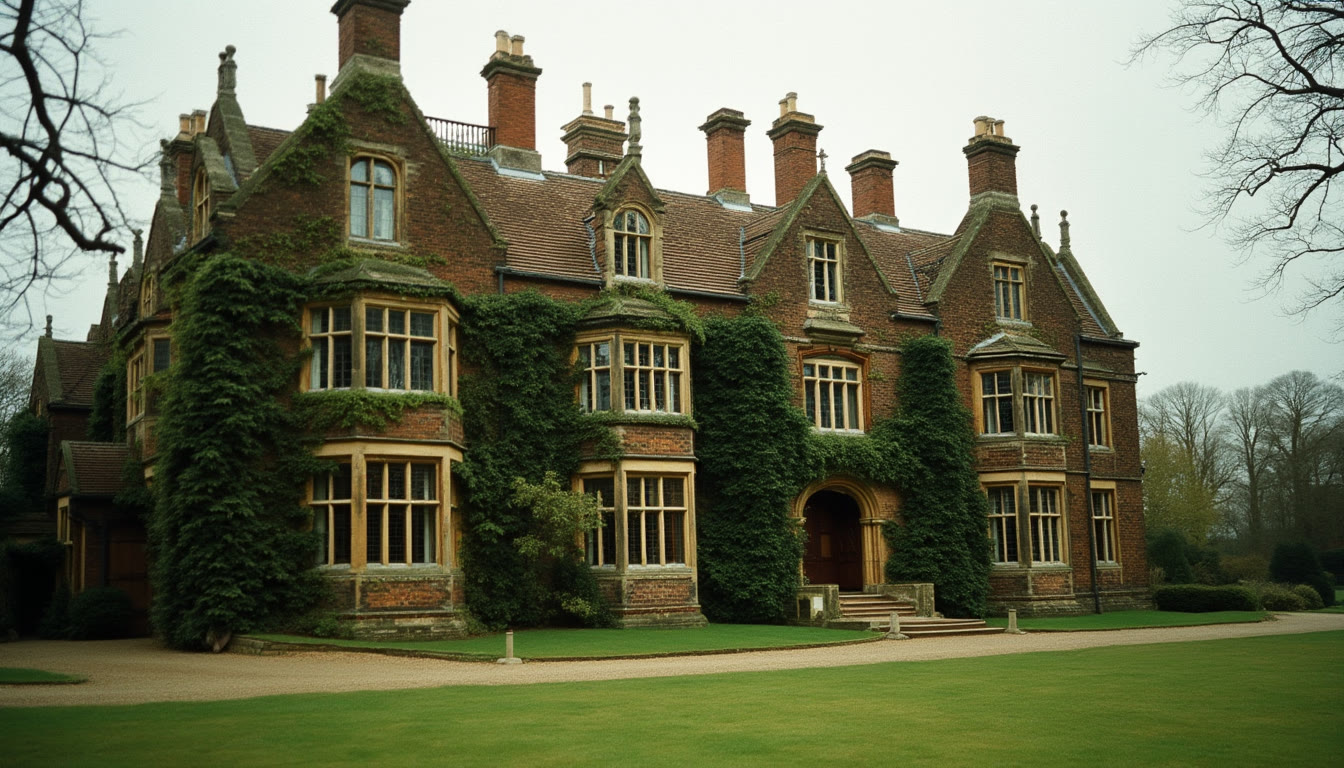
A large brick manor house partially covered in green ivy

Private Funding For Estate Debt

King Charles reportedly used his private income to pay a £1.5m debt to the Crown Estate, according to BBC News and The Times. This payment was intended to cover the costs of repairs and dilapidations following the end of Andrew Mountbatten-Windsor's lease at the Royal Lodge. The move was reportedly made to ensure that the Crown Estate was not left out of pocket during the transition.

The settlement follows the conclusion of a lease on the 98-acre property in Windsor. Previously, it was reported that Mountbatten-Windsor was entitled to receive £302,000 in compensation for surrendering the lease within the first 25 years, according to The Guardian. This compensation was part of the process of ending his residency at the mansion.

The Crown Estate has confirmed that it has received the net payment of £1.5m. According to BBC News, the organisation stated that it has not provided any money to Mountbatten-Windsor. The net figure reflects the final balance after accounting for the various costs and compensation owed during the handover of the property.

The total bill for the restoration and repair of the Royal Lodge reached £1.8m, according to The Guardian and BBC News. This figure represents the overall cost required to address the condition of the building upon the end of the tenancy. The King's intervention with his private funds has addressed the remaining deficit owed to the estate. This follows our earlier report of 9 October 2026.

History Of The Royal Lodge Lease

Mountbatten-Windsor originally took out a 75-year lease on the 30-room Windsor mansion in 2003, according to BBC News. At the time the agreement was made, he made up-front payments of £7.5m to fund repairs to the property, according to BBC News. This long-term arrangement provided him with a residence in Windsor for several decades.

The former prince officially moved out of the mansion in February 2026, according to BBC News. Following his departure from the Royal Lodge, he relocated to Marsh Farm, which is situated on the King's Sandringham estate in Norfolk, according to The Guardian. This move marked the end of his tenure at the large Windsor estate.

The circumstances surrounding his residency have been subject to scrutiny by official bodies. A National Audit Office investigation in June revealed that Mountbatten-Windsor had been receiving unspecified private earnings by renting out three smaller dwellings on the estate, according to The Guardian. This occurred while he was paying only a peppercorn rent for his position.

The King stripped Mountbatten-Windsor of his dukedom and his title of prince late last year, according to The Guardian. This decision followed his association with Jeffrey Epstein. The King has also maintained that his private funds were not intended to cover the legal costs of the battle over search warrants, according to BBC News.

Legal Challenges And Police Warrants

On Thursday, 8 October 2026, Mountbatten-Windsor won a legal challenge in the high court regarding the use of search warrants. The case was brought against Thames Valley police concerning the legality of the powers used to raid his home, according to The Guardian. The ruling was delivered by Mr Justice Hilliard.

During the proceedings, Thames Valley police conceded that they had used the incorrect statutory provision to obtain their search powers, according to Mr Justice Hilliard, according to The Guardian. This admission was central to the high court's findings regarding the police action. The legal battle focused on the validity of the warrants used during the investigation.

The police action followed allegations stemming from the Epstein files. According to The Guardian, these allegations suggested that Mountbatten-Windsor had shared sensitive information with the US sex offender, Jeffrey Epstein, during his time serving as the UK's trade envoy. These claims prompted the police investigation into his activities.

Mountbatten-Windsor has consistently denied any wrongdoing in relation to Epstein, according to BBC News. Despite the legal victory regarding the warrants, the underlying allegations remain a matter of public record. A palace source told The Guardian that the King had made it clear his private funds should not be used to fund the judicial review.
Future Use Of The Mansion

The Crown Estate is now looking toward the next phase for the 30-room property. A spokesperson for the organisation said, "The lease for Royal Lodge has ended and our focus now is firmly on its future use and the opportunities to generate additional financial value for the nation from its early return.", according to The Guardian and BBC News. The priority is to manage the asset for the benefit of the country.

Plans are being made to bring the property to the market in the near future. The mansion will be marketed by two agents who are nationally recognised, according to The Guardian. This process is expected to determine how the large estate will be utilised moving forward, though specific details have not been confirmed.

The decision regarding the permanent use of the mansion has not yet been reached. While the property will be marketed, the specific purpose for its future remains undecided. The return of the 98-acre estate to the Crown Estate marks a significant change in the management of the Windsor site.

The process of marketing the estate is expected to begin following the settlement of the repair debts. The involvement of professional agents suggests a formalised approach to the sale or lease of the mansion. The Crown Estate will oversee the transition as the property is prepared for its next occupant or purpose.