General News

Yorkshire Drought: Environment Agency Declares Official Drought Status

The Environment Agency has officially declared a drought in Yorkshire on Friday 9 October 2026 following a prolonged period of dry weather. The decision follows months of low rainfall, with the region joining central, southern, and eastern England in drought status. Water Minister Emma Hardy said that recent rain has not been sufficient to replenish water supplies used during the spring and summer.

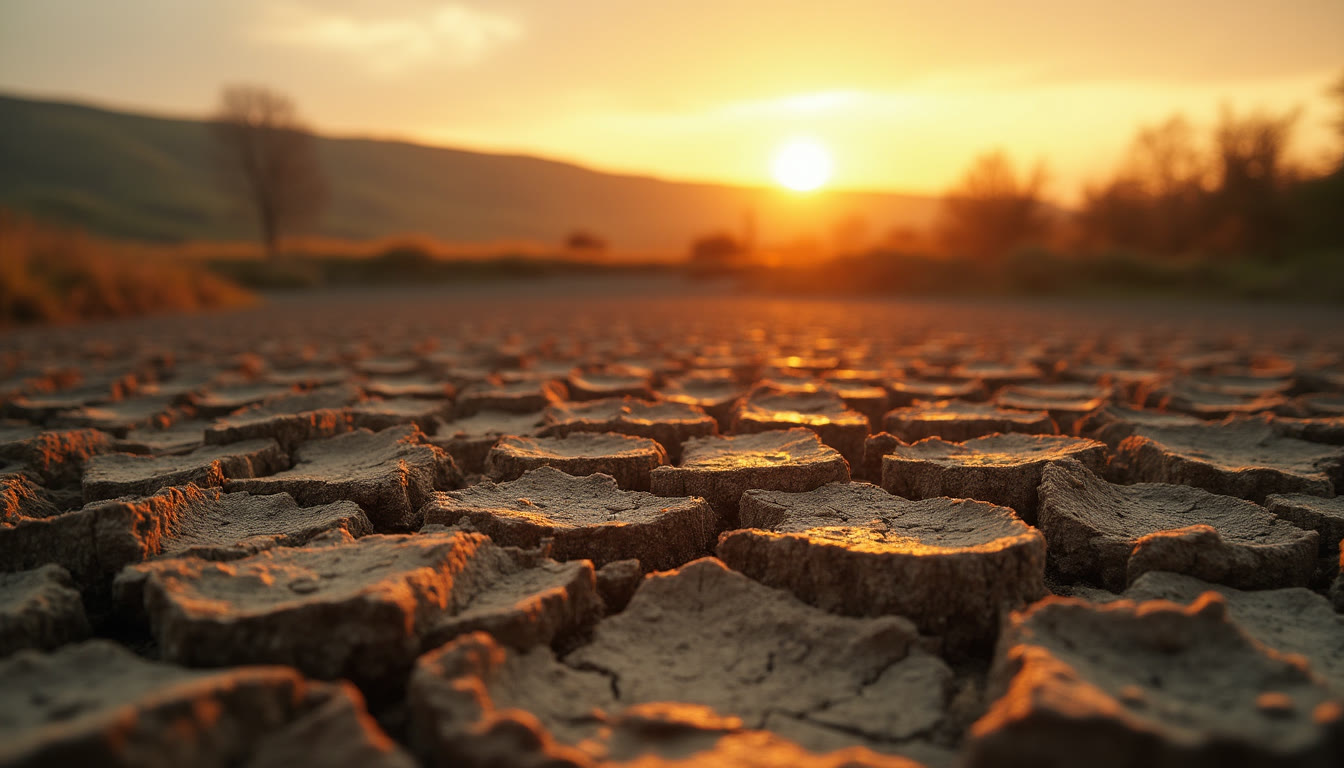
Close up of cracked, dry earth at sunset

Drought Declaration in Yorkshire

The Environment Agency has officially declared a drought in Yorkshire on Friday 9 October 2026. This announcement follows a lengthy period of dry weather that has affected the region throughout the spring and summer months. The decision was made after low water levels were recorded in both rivers and reservoirs across the area.

According to the Environment Agency, Yorkshire has been classified as being in a period of prolonged dry weather since the end of July. This status has now escalated to a formal drought declaration due to the severity of the conditions. The move means Yorkshire joins central, southern, and eastern England, which are already under drought status.

The area environment manager for the Environment Agency in Yorkshire, Vicki Townend, explained the reasons for the move. "The ongoing lack of rainfall means the flow in rivers and groundwater levels in certain parts of our area are very low and have now reached our trigger for declaring a drought.", said Vicki Townend.

The drought status follows a period of significant dryness that has impacted the local environment. While the North East and North West are not yet in drought status, they remain in a period of prolonged dry weather. The Environment Agency noted that the combination of heavier rainfall and drier summers is expected to become more frequent due to climate change.
Impact of Dry Weather Patterns

The severity of the recent weather has been highlighted by historical data regarding rainfall. Between April and September, the region experienced its fifth driest period on record. This statistic was provided by Vicki Townend, who manages the Environment Agency's environment in the Yorkshire area.

The lack of moisture has specifically impacted groundwater levels and river flows in various locations. These low levels reached the necessary threshold to trigger the official drought declaration on Friday. The prolonged absence of rain throughout the spring and summer has been a primary driver of these conditions.

Water Minister Emma Hardy stated that recent rainfall has not been enough to replenish the water used over the spring and summer. This suggests that even sporadic rain may not be sufficient to restore levels immediately. The scarcity of water remains a concern for the region's natural resources and infrastructure.

The environmental impact of the dry spring and summer is expected to be long-lasting. Vicki Townend, who acts as the Environment Agency's area environment manager for Yorkshire, noted the difficulty in recovering from such conditions. "Even if we receive a few weeks of rain, we cannot quickly reverse the effects of the lack of rainfall during a very dry spring and summer.", said Vicki Townend.

Water Supply and Customer Impact

Despite the official drought declaration, there are currently no immediate changes for households regarding water usage. Yorkshire Water has indicated that they are not currently planning to introduce water restrictions for their customers. This means that daily water routines are not expected to change in the immediate term.

Andy Shaw, who leads water production, treatment and energy at Yorkshire Water, addressed the current situation for consumers. He noted that the declaration "does not mean water restrictions are currently needed", according to Andy Shaw. This provides some reassurance to residents as the drought status is implemented.

The water company is monitoring the situation closely to ensure that supply remains stable. While no restrictions are in place now, the drought status allows for the implementation of contingency measures if levels continue to fall. The focus remains on managing existing supplies through the dry period.

The management of water production and treatment will be a priority for Yorkshire Water during this time. As the drought continues, the company will have to balance the needs of the population with the declining levels in reservoirs and rivers. The current strategy is to maintain service without imposing new limits on customers.

Future Monitoring and Management

In response to the drought, the Environment Agency has outlined its next steps for managing the crisis. The agency will continue to monitor the situation across Yorkshire to track changes in water levels. This ongoing assessment will determine if further actions are required as the weather evolves.

The agency will also implement the Yorkshire Drought Plan to manage the impact of the dry weather. This plan is designed to provide a structured response to the declining water resources in the region. The implementation of this plan is a key part of the official drought response.

The long-term outlook for the region's water security remains a subject of monitoring. With the Environment Agency noting that drier summers may become more common, the management of water resources is becoming increasingly important. The agency's role will be to oversee the effectiveness of the drought response.

The Environment Agency will continue its assessment of river flows and groundwater levels. All future decisions regarding the drought status will be based on the data collected through this monitoring process. The agency's next steps involve the ongoing execution of the Yorkshire Drought Plan.