BBC explores radio levy and progressive pricing

The BBC is exploring options to modernise how its services are funded, including reported proposals that could widen who pays the licence fee and how contributions are calculated. The debate comes as paid licences decline, evasion rises, and the government’s BBC Charter Review formally begins—setting the stage for potential legal and policy changes before the next Charter takes effect in 2028.

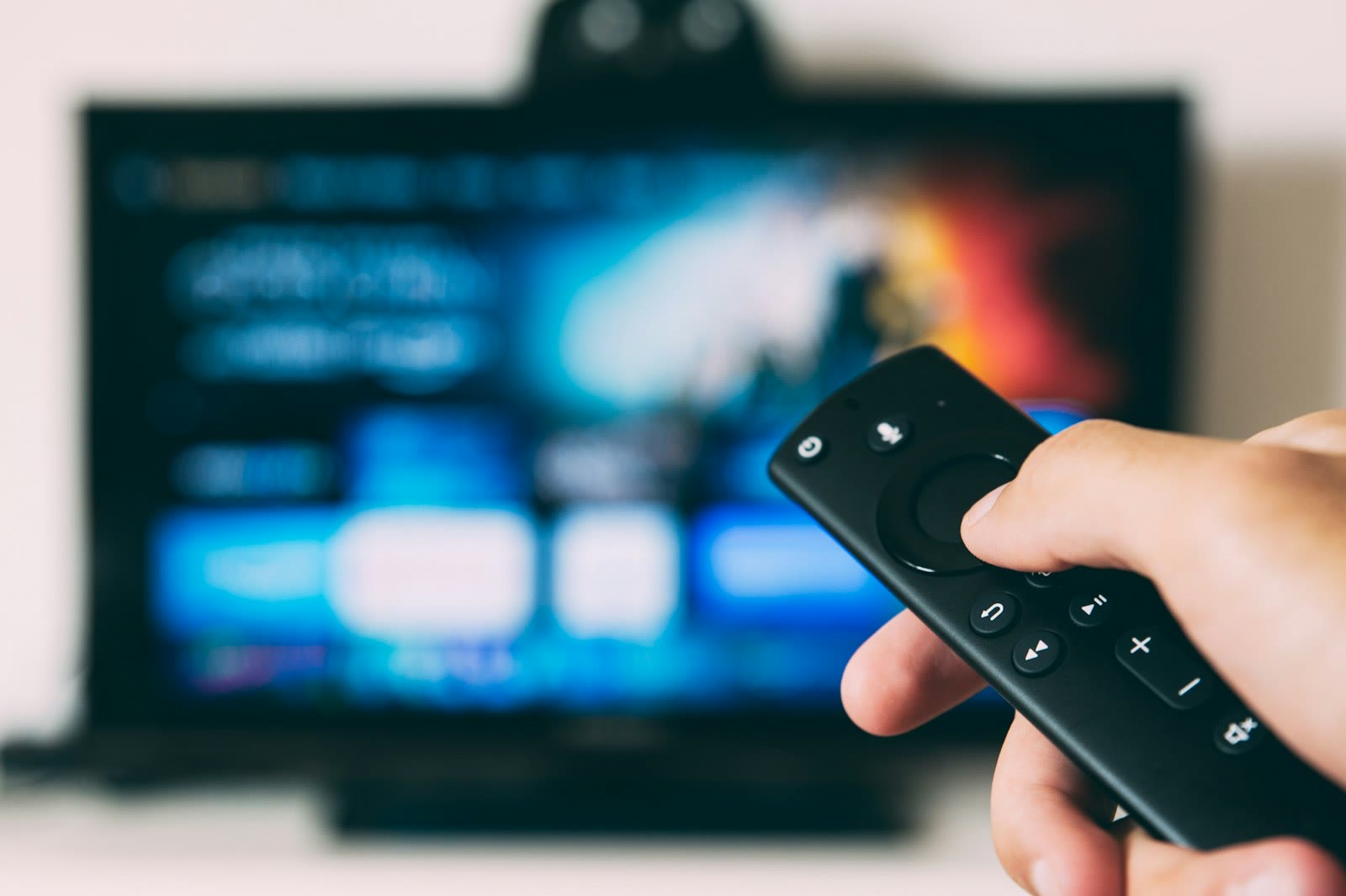
turned-on flat screen television

BBC explores licence-fee shake-up as payment rates fall and charter review begins

London | Monday, 2 February 2026 — The BBC is weighing a range of options that could expand who pays towards its services — including ideas such as a levy linked to radio use, charging some households more based on ability to pay, and broadening payment rules as viewing shifts away from traditional live TV. The discussions come as the number of paid licences continues to decline and government begins a formal review of the BBC’s Royal Charter and long-term funding model.

What’s being discussed

According to reporting in The Times, BBC leadership is preparing proposals for government that would change who is covered by the licence fee and how it is collected. Options described as under consideration include:

  • Extending the licence fee to cover radio listeners (and, in some versions reported, access to the BBC’s news website), effectively widening the pool of contributors beyond households that watch live TV or use iPlayer.

  • A “more progressive” payment approach, where wealthier households could pay more than the current flat rate. This idea has been publicly floated before: BBC Director-General Tim Davie has said he is open to a “more progressive” way of funding the corporation.

  • Changes related to streaming-era viewing, as the BBC and government grapple with a model designed for live broadcast television while audiences increasingly consume on-demand services.

It’s important to separate reported internal options from confirmed policy: these are not adopted rules, and several of the more dramatic changes would require government decisions and likely legislation (because the licence fee framework sits in law and is tied to the Charter/Framework Agreement).

What the TV licence currently covers (and what it doesn’t)

Right now, the TV licence is primarily about live broadcast behaviour and BBC iPlayer.

You generally need a licence if you:

  • watch or record live TV (any channel, any service, any device), including live streams on platforms such as YouTube; and

  • use BBC iPlayer (live or on-demand).

You generally do not need a licence if you only:

  • watch on-demand content on services like Netflix or YouTube (and you do not use BBC iPlayer).

This distinction matters for your point about “needing a TV licence even if you only watch Netflix or YouTube”: under current rules, on-demand-only Netflix/YouTube viewing does not require a TV licence — but watching live TV streams via those platforms can.

So when people talk about “extending the licence to streaming,” the real question is whether policymakers try to move beyond the current live/iPlayer trigger toward a broader “household media” charge — something that would be politically and legally significant.

Why this is resurfacing now

1) Paid licences are falling, and opt-outs are rising

Official scrutiny in Parliament has highlighted a growing financial problem: the Commons Public Accounts Committee said potential lost income in 2024–25 was estimated to exceed £1.1 billion, combining:

  • licence fee evasion (reported as 12.52%), and

  • households declaring they don’t need a licence (reported as 3.6 million households).

The same scrutiny notes that enforcement methods (such as visits) are becoming less effective in an era where people can consume content online and simply refuse engagement.

This is the factual backbone behind your instinct that “the number paying is reducing year on year.” The precise figures can vary by reporting year, but the Parliamentary material makes clear the trendline is negative and politically salient.

2) Charter review has formally begun

The government launched the BBC Charter Review on 16 December 2025, with a public consultation open until 10 March 2026. A new Charter would come into force 1 January 2028 (after the current Charter expires on 31 December 2027).

That timetable creates a natural pressure point: institutions begin floating models, stress-testing ideas, and briefing stakeholders well before the final direction is chosen.
The “radio licence” idea: why it’s controversial

A radio-linked levy is politically explosive for one simple reason: radio has effectively been “free at the point of use” in licensing terms for decades, even though it is funded by the licence fee system overall.

Historically, radio-only licences were abolished in 1971 (Parliamentary debate from the era is often cited to argue that radio reception was becoming too hard to police).

Reintroducing a payment trigger tied to radio listening would reopen old questions:

  • How do you define “use”? Traditional broadcast? Smart speakers? Car listening? Podcasts and on-demand audio?

  • How would it be enforced without building a surveillance-style apparatus (which would be politically toxic)?

  • Would it damage the BBC’s claim to universality by putting everyday services behind a paywall?

That is why, even if such an option is being discussed internally (as reported), it would likely face a steep public consultation battle.

“Charge wealthy households more”: what’s actually on the record

The clearest “on the record” element here is that Tim Davie has said he is open to a more progressive funding approach — implying a move away from the current flat household fee.

A progressive model could take many forms:

  • income-linked contributions,

  • property-band approaches (similar to Council Tax banding),

  • or targeted discounts and exemptions beyond current concessions.

But each version has trade-offs:

  • Fairness vs simplicity: progressive schemes can be fairer on paper but far more complex to administer.

  • Collection mechanism: tying payment to existing systems (like local taxation) would shift the licence fee closer to a tax-like structure — a political red line for some governments.

  • Independence concerns: one of the recurring principles in the government’s charter review material is protecting BBC independence while ensuring sustainable funding.

“Licence required for streaming services”: what that could mean in practice

This part of the public conversation often gets muddled, because there are at least three different concepts people blend together:

A) The law already covers “live TV via streaming”

If you watch a live broadcast on a streaming platform, you generally need a TV licence — even if the platform is Netflix/YouTube/other — because the legal trigger is about live television being transmitted for simultaneous viewing, not the brand of the app.

B) Expanding payment to “on-demand-only” viewing would be a major change

A rule that says “if you watch any streaming at all, you pay” would be a fundamental redesign. It would likely require legislation and would collide with public expectations (especially among households that have left live TV entirely).

C) Charging people for BBC content consumed off-platform is different again

Reporting suggests one idea under discussion is extending payment expectations if viewers access BBC programmes via third-party platforms, rather than via traditional broadcast or iPlayer routes. Exactly how that would work (and how it would be defined) is unclear from public reporting — but it points to the same underlying issue: BBC funding is built around broadcast-era assumptions while distribution is fragmenting.

What happens next

  1. Charter review consultation runs until 10 March 2026.

  2. Government is expected to move from consultation to a clearer policy direction (typically via a white paper), ahead of the next Charter taking effect in January 2028.

  3. Separately, Parliament and regulators (including Ofcom) remain focused on whether enforcement and collection methods are fit for an online-first world.